
Here are some concerning facts about food waste in the United States.

The amount of food gets wasted every year in the United States: 133 billion pounds
The percentage of the U.S. food supply that gets wasted every year: 30%
The amount of water it takes to grow and produce just the food that gets wasted every year: 5.9 trillion gallons (that’s the equivalent of nearly 9 million olympic-sized swimming pools)
The number of acres of agricultural land it takes to grow just the food that gets wasted every year: 140 million acres (that’s roughly the size of California and New York state combined)
The climate emissions caused by food waste in landfills (CO2 equivalent emissions): 55 million metric tons (that’s roughly equivalent to the emissions from 12.8 million gas powered passenger vehicles)
The percentage of global climate emissions that can be attributed to food waste: 8-10%
The amount of landfilled garbage in the U.S. that is food: 24%
The amount of incinerated garbage in the U.S. that is food: 22%
The percentage of food waste that is generated in the food retail, food service and residential sectors in the U.S. that gets turned into compost and put back into the food system: 5%
The percentage of overall food waste that happens at American homes: 43%
The average amount of money that a family of four spends every year on food that they never eat: $3000
The percentage of American consumers who have discarded food at least occasionally because they are confused about the food date label: 88%
The percentage of American consumers who say they always or usually throw away food around the label date, even though most food remains safe to eat past that date: 43%
The percentage of overall food waste that can be attributed to confusing food date labels: 7%
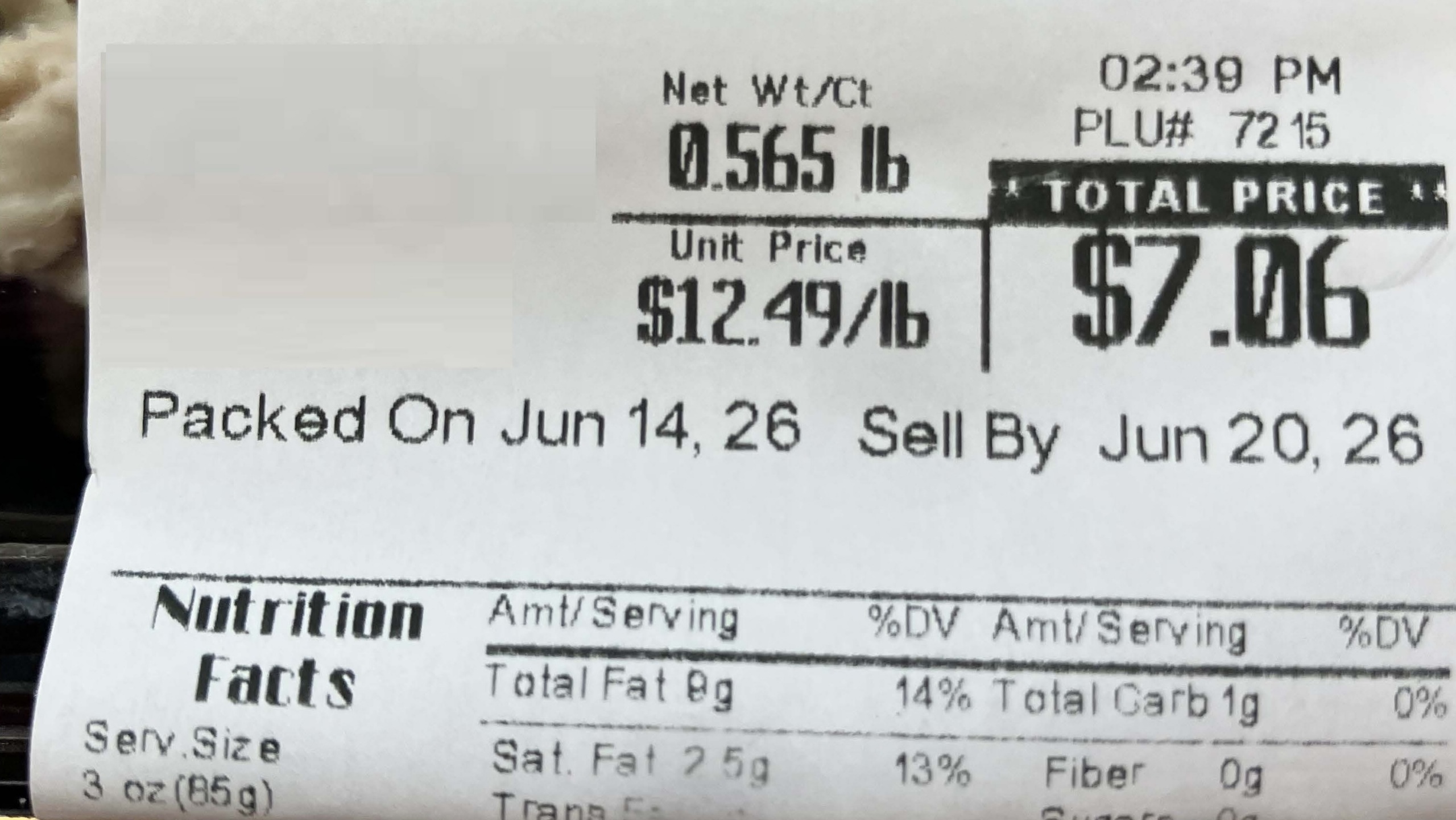
We waste too much food and we need to do more to reduce the amount of edible food we throw away. One commonsense way we can do this is by making food date labels uniform and meaningful.
Most of us are familiar with the labels that come on our food: “best by”, “use by”, “sell by”, “freshest by”. Most of the time, those labels do not actually communicate food safety. Oftentimes, products can remain safe to eat for days, or even weeks, past a “sell by’ date. Understandably, these labels cause confusion about food safety, which leads to people throwing out food that could still be consumed.
Given the amount of time, energy, and resources involved in growing, processing, and transporting food, the last thing we should do is throw it away, especially if it is still good to eat.
We can reduce household food waste by standardizing food date labels, thereby reducing consumer confusion. The only two labels allowed on food would be “best by,” which would indicate freshness, and “use by,” which would indicate safety. Anything other than those two labels, like “sell by” or “freshest by” would not be allowed.
Send a message to your U.S. Senators and ask them to support the Food Date Labeling Act, which would standardize food date labels across the country and reduce unnecessary food waste.
Executive Director, MASSPIRG
Janet has been the executive director of MASSPIRG since 1990 and directs programs on consumer protection, zero waste, health and safety, public transportation, and voter participation. Janet has co-founded or led coalitions, including Earth Day Greater Boston, Campaign to Update the Bottle Bill and the Election Modernization Coalition. On behalf of MASSPIRG, Janet was one of the founding members of Transportation for Massachusetts (T4MA), a statewide coalition of organizations advocating investment in mass transit to curb climate change, improve public health and address equity. Janet serves on the Executive Committee of the Board of Directors of Consumer Federation of America, the Common Cause Massachusetts executive committee, Alliance for a Healthy Tomorrow board of directors, and Department of Environmental Protection Solid Waste Advisory Committee. For her work, Janet has received Common Cause’s John Gardner Award and Salem State University’s Friend of the Earth Award. Janet lives in Cambridge, Massachusetts, with her husband and two sons, and every Wednesday morning she slow-runs the steps at Harvard Stadium with the November Project.
State Director, Environment Oregon; Director, Beyond Plastics, Environment America
As director of Environment Oregon, Celeste develops and runs campaigns to win real results for Oregon's environment. She has worked on issues ranging from preventing plastic pollution, stopping global warming, defending clean water, and protecting our beautiful places. Celeste's organizing has helped to reduce kids' exposure to lead in drinking water at childcare facilities in Oregon, encourage transportation electrification, ban single-use plastic grocery bags, defend our bedrock environmental laws and more. She is also the author of the children's book, Myrtle the Turtle, empowering kids to prevent plastic pollution. Celeste lives in Portland, Ore., with her husband and two daughters, where they frequently enjoy the bounty of Oregon's natural beauty.