It's wildfire season in the Pacific Northwest. Here are some tips for how to keep smoke out of your home.
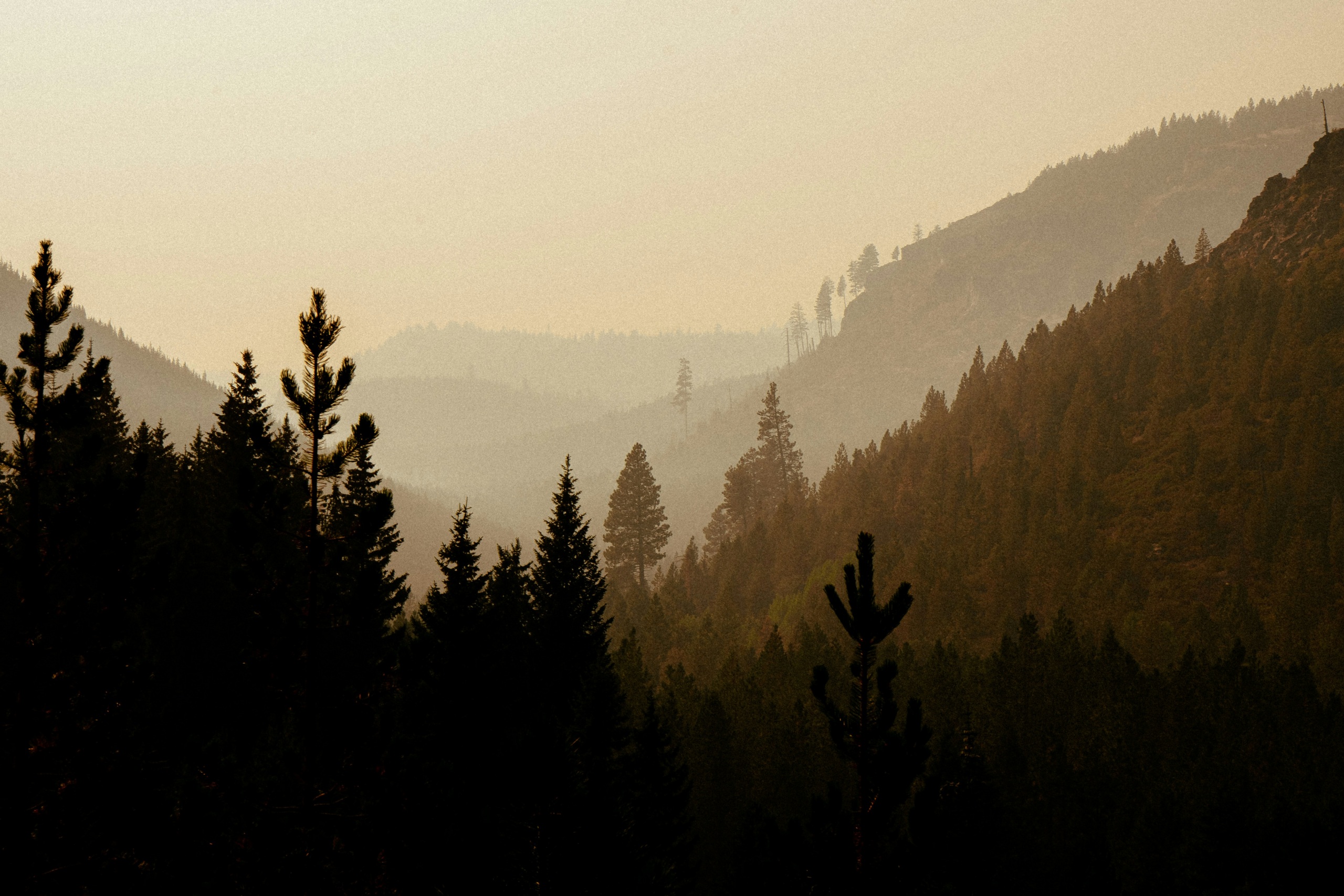
It’s already a record breaking wildfire season in the Pacific Northwest, and with wildfires comes smoke. Exposure to smoke can cause adverse health impacts for everyone, but especially for children, the elderly and people with existing health conditions. Symptoms from wildfire smoke exposure include a cough, scratchy throat, headache, stinging eyes and congestion.
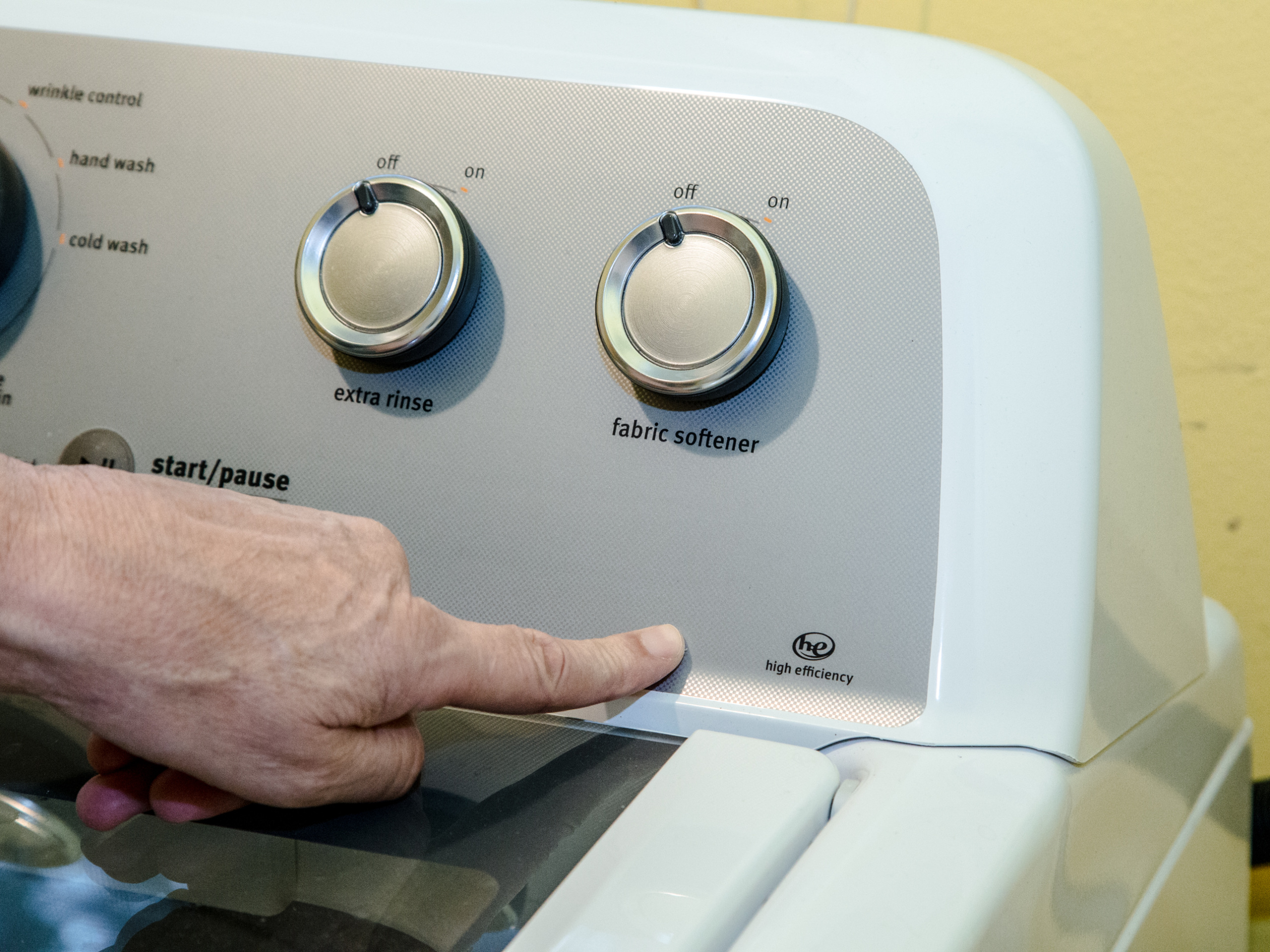
There are a lot of things you can do to limit your exposure to wildfire smoke indoors to keep your family safe:
If you still have questions, the Environmental Protection Agency has more resources on their website to help you navigate wildfires and indoor air quality.
Stay safe.
State Director, Environment Oregon Research & Policy Center; Director, Beyond Plastics, Environment America Research & Policy Center
As director of Environment Oregon, Celeste develops and runs campaigns to win real results for Oregon's environment. She has worked on issues ranging from preventing plastic pollution, stopping global warming, defending clean water, and protecting our beautiful places. Celeste's organizing has helped to reduce kids' exposure to lead in drinking water at childcare facilities in Oregon, encourage transportation electrification, ban single-use plastic grocery bags, defend our bedrock environmental laws and more. She is also the author of the children's book, Myrtle the Turtle, empowering kids to prevent plastic pollution. Celeste lives in Portland, Ore., with her husband and two daughters, where they frequently enjoy the bounty of Oregon's natural beauty.
State Director, OSPIRG Foundation
Charlie directs OSPIRG's campaigns to rein in the cost of health care, get big money out of politics and stand up for consumers. In a previous advocacy role with Environment Oregon, Charlie was part of successful efforts to increase Oregon's clean energy commitments and get the state off coal. Charlie's work has earned coverage in the Oregonian and other local and regional news outlets around Oregon. Charlie lives in Portland, Ore., where he enjoys bike rides along the Springwater Corridor and the city's local music and food scenes.