
Jon Maunder
Media Relations Specialist, The Public Interest Network
Media Relations Specialist, The Public Interest Network
Senior Vice President and Chief Operating Officer, Program, The Public Interest Network
DENVER — It feels like only yesterday that school let out for summer, but it’s already August, a month when millions of parents and students start a new term. To help them, as well as teachers and staff – from preschool to graduate school – make healthier, safer and greener choices, PIRG and Environment America’s experts have compiled tip guides addressing a variety of topics. Each of the experts listed below is available for interviews as well.
Social media and Artificial intelligence (AI) advice

Photo by TPIN | TPIN
R.J. Cross, [email protected], runs PIRG’s “Our Online Life” program and “Don’t Sell My Data” campaign. She focuses on data privacy issues and the commercialization of personal data in the digital age. Her work ranges from consumer harms, such as scams and data breaches, to manipulative targeted advertising and keeping kids safe online. She has appeared on CBS News and in numerous major national online and print outlets.
Healthy eating advice

Photo by TPIN | TPIN
Liam Sacino, [email protected], works as PIRG’s public health advocate, focusing on issues that affect our food supply and the health of the country. Liam appeared most recently in Crain’s Chicago Business calling on McDonald’s executives to phase out the routine use of antibiotics in the company’s beef supply.
Safe school drinking water advice

Photo by TPIN | TPIN
John Rumpler, [email protected], directs Environment America’s efforts to protect our kids’ drinking water from toxic threats including lead and PFAS chemicals. For more than 20 years, John has worked at the forefront of a wide range of clean water issues. He has appeared on CBS News and in numerous major national online and print outlets.
Consumer finance advice
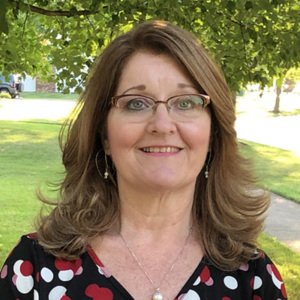
Photo by Staff | Used by permission
Teresa Murray, [email protected], is the director of PIRG’s Consumer Watchdog program. She has written or overseen reports and analyses on topics including price gouging during emergencies, toxic consumer products and scams targeting consumers. She’s passionate about educating people about predatory tactics they may face when they’re vulnerable. Prior to joining PIRG in 2020, Teresa worked as a business journalist and consumer columnist for more than 20 years for Ohio’s largest daily newspaper. Her work with PIRG has been featured by media outlets including CNN, NPR, the New York Times and the Los Angeles Times.
Consumer tech advice

Photo by TPIN | TPIN
Nathan Proctor, [email protected], leads PIRG’s Right to Repair campaign, working to pass legislation that will prevent companies from blocking consumers’ ability to fix their own electronics. His work with PIRG has been featured by media outlets including Bloomberg, CNN, Wired, Business Insider, the New York Times and the Associated Press.
College textbook and course materials advice

Photo by TPIN | TPIN
Dan (prono: Dawn) Xie, [email protected], is the political director for the Student PIRGs, student-run organizations on dozens of campuses. Dan is working with college students coast-to-coast to reform the broken textbook market, where the default is often to automatically charge students for course materials at a set price, whether that’s a good deal for them or not.
Environmentally conscious back-to-school advice

Photo by TPIN | TPIN
Celeste Meiffren-Swango, [email protected], runs Environment America’s Beyond Plastics campaign. She and her team have worked on awareness of — and regulation against — the dangers of microplastics, single-use plastics and waste in the fashion industry. She is also the author of the children’s book, Myrtle the Turtle, which empowers kids to prevent plastic pollution. Celeste’s work to reduce plastic has been covered by The Washington Post, Grist, E&E News and other media outlets.